
Rubble Recycling
Application
The very foundation of The HAZEMAG Company started with the processing and recycling of rubble. Our founder, Dr. Erhard Andreas developed and introduced the Andreas Impactor, the very first mill of its kind that was utilized, post war, for the processing of the massive amount of waste and debris was dominate throughout many cities in Germany. Rubble recycling as we know it today, began with this highly successful introduction of the HAZEMAG Andreas impactor. Now, some 70 years later, this recycled and acceptable resource is being used and enjoyed in many aspects of our daily lives; benefiting all of us while giving life to a previously used and valuable resource once again.
With its process know-how, high quality – reliable machines and services, HAZEMAG plays an important and highly contributing role in the crushing and recycling of materials such as rubble, concrete and asphalt; resulting in a proven component that can be utilized in a wide range of construction sectors.
Perhaps more than many other industries, the success of the recycling group is highly determined by the control and management of the raw, available materials. To achieve this, the processing system must offer a very high level of flexibility, extreme ruggedness, high technology and the ability to adapt to an extensive variation range in the raw materials. The decision between a fixed/stationary plant versus a mobile plant are solely determine by the availability of raw materi-als, annual projected production rates and the local demand for the recycled products. Under the correct management controls, the success and profitability of a recycling facility can easily be realized.
Quality control, raw material management and the needed processing methods are realized in a variety of ways, such as:
- selective demolition of buildings
- inspection/monitoring of the incoming material
- raw material stockpiling according to its makeup/mixture
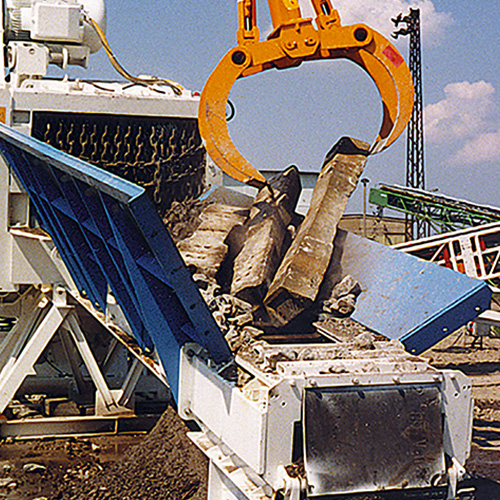
- material preparation: pre-sizing, sorting and removal of larger tramp irons
- raw material identification, classifying and selective sorting
- metal identification, preparation and possible removal
- sorting out of non-mineral fractions
- separation of light materials
 WhatsApp us